Gutter Installation, Repair & Cleaning Services in Oregon | Gutter Empire

Categories
Blog Gutter Guards

How Gutter Guards Help Oregon Homes Avoid Pest Infestations

Oregon homeowners deal with a mix of long wet seasons, mature trees, and steady storm patterns. Those conditions sound normal for the Pacific Northwest, yet they create a surprisingly consistent problem: pests settling into clogged gutters.

When debris piles up and stays damp, gutters turn into small ecosystems where insects, rodents, and even birds find shelter. That buildup also puts the roofline at risk.

Oregon has roughly 30 million forested acres, and Portland’s canopy reaches nearly 56% in some neighborhoods. With that much vegetation, debris never stops falling.

This blog walks through how that environment feeds pest activity and how gutter guard installation helps protect the home before things escalate.

Why Oregon’s Climate Creates a Perfect Storm for Gutter-Related Pest Problems

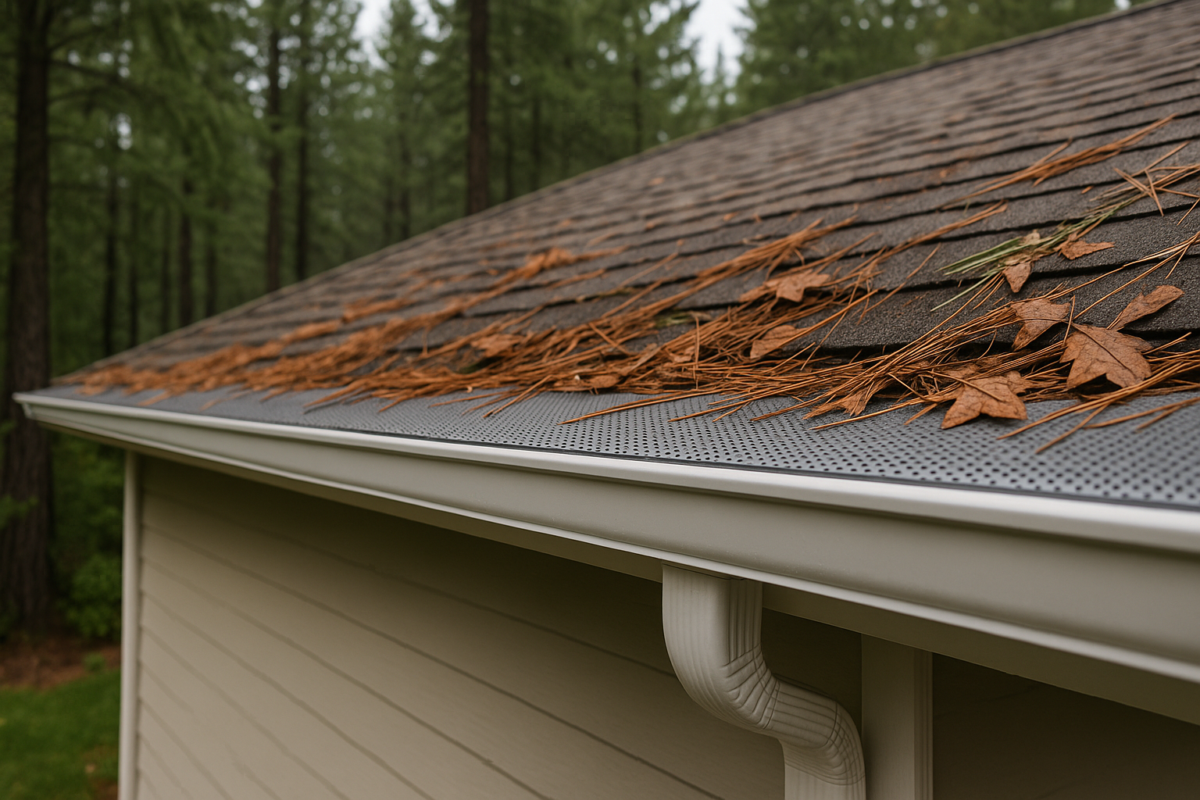
Oregon’s environment sets the stage before pests ever show up. Heavy rain keeps everything damp, and the dense tree canopy drops needles and leaves year-round.

Heavy Rain + Standing Water

Extreme precipitation events have become more frequent. When gutters clog during long stretches of rainfall, they trap water instead of draining it. That means shallow pools along the roofline, which matter more than most people realize.

Tree Canopy + Organic Debris

Portland’s canopy sits around 29.8% overall, and some westside neighborhoods hit 56%. The mix of Douglas fir, maples, and other species sends constant debris onto roofs. Once that organic material lands in gutters, it holds moisture. Wet leaves slowly break down and make soft spots that bugs love.

How Clogged Gutters Become Breeding Grounds for Mosquitoes, Rodents & Wood-Destroying Insects

After understanding the climate, the next step is seeing how pests use clogged gutters to their advantage. The examples vary, but they share a pattern: moisture, shelter, and easy access.

Mosquitoes

CDC guidance names clogged gutters as a common breeding site. When water stays still, mosquitoes lay eggs, and larvae thrive in the organic mush beneath the surface. Oregon has confirmed West Nile activity, so these aren’t abstract concerns.

Rodents

Roof rats and mice travel along gutters like highways. Debris-filled sections feel safe because the layers hide movement. Rodent urine and droppings carry disease, and that’s a significant risk near attics or crawlspaces.

Termites and Carpenter Ants

Damp fascia boards become soft enough for these insects to exploit. They move in when the wood stays wet for weeks. EPA and NPMA estimates put termite-related damage costs in the billions nationwide, which shows how expensive untreated moisture can become.

This is where installing gutter guards starts to make practical sense. If the debris never settles in the gutter, the pests lose the conditions they rely on. No damp nesting material, standing water, or softened wood along the roofline.

How Pest Activity in Gutters Harms Your Roofline, Structure & Indoor Health

Pests aren’t the only issue. Their presence signals deeper problems.

Once gutters overflow or hold water, they push moisture into the fascia, roof edges, and sometimes under shingles. Rot follows. That rot becomes an open door for carpenter ants or termites.

Termite treatments alone cost U.S. property owners more than $2 billion each year, according to the EPA. That number sticks with you because it shows how quickly small moisture pockets turn into big expenses.

Rodent droppings in attics contribute to respiratory issues. Mosquito activity increases the chance of West Nile exposure, even if most infections are mild.

Rodents are responsible for electrical fires with no clear cause, largely because they chew through insulation on wiring. It’s the kind of problem that begins quietly outside, then works its way into the home as pests settle into damp fascia boards or attic spaces. Once they get inside, the damage becomes harder to spot and far more expensive to fix.

That pattern usually circles back to the same starting point: debris and trapped moisture. When gutters stay clear and dry, pests lose the environment that draws them in. That’s why installing gutter guards often becomes a practical step for homeowners who want to stop these issues before they ever reach the roofline or attic.

Why Gutter Guards Break the Moisture–Debris–Pest Cycle

Pests rely on debris and moisture. Gutter guards remove the debris, which helps eliminate the moisture.

A few ways they do that:

  • They block needles, leaves, twigs, and moss from entering the gutter channel.
  • They improve drainage, so water doesn’t sit long enough for mosquitoes to use it.
  • They reduce the organic material that rodents use as nesting insulation.
  • They help keep fascia drier by preventing spillover, which protects against rot and lowers the odds of termite attraction.

EPA’s Integrated Pest Management guidance emphasizes removing moisture and shelter as the first line of defense. Gutter guards help with exactly that. This doesn’t replace maintenance, but it changes the workload dramatically.

Why Professional Gutter Guard Installation Matters in Oregon’s Rain and Tree Load

DIY gutter guards often fail in Oregon. Heavy rain overwhelms low-quality mesh, and pine needles slip into openings that might work fine in other states. That’s why professional installation matters.

A trained team picks guards that match the roof pitch, debris type, and water volume. They also check that the gutter slope allows proper flow, which many DIY setups accidentally disrupt.

Matching Guard Type to Tree Species

Douglas fir needles behave differently from maple leaves. They slide into tiny gaps unless the guard is chosen correctly.

Ensuring Drainage in Heavy Rainfall Zones

Oregon homes need guards that balance filtration with flow, so water doesn’t sheet over the edge.

Regular exterior checks are still important to catch moisture or insect issues early, and most homes benefit from a yearly inspection even after guards are installed. Those routines work best when the system is designed for local conditions. Oregon’s mix of heavy rain and needle-heavy trees makes professional guidance especially valuable, and a team that understands the region can recommend guards that perform well long-term.

Protect Your Home by Partnering With Local Gutter Experts

Oregon’s mix of rain, needles, and constant debris gives pests plenty of chances to move in, but you can break that cycle with a system that stays clear. When gutters drain the way they should, pests lose the moisture and shelter they depend on. Installing gutter guards helps your home hold that line through every season.

At Gutter Empire Oregon, we choose guard systems made for the Pacific Northwest’s weather and tree cover, and we install them with long-term performance in mind. If you want reliable protection, call (971) 777-9899, or click here to get started.


Key Takeaways

  • Oregon’s dense tree canopy and long rainy seasons create ideal conditions for debris buildup and standing water in gutters, which attracts pests such as mosquitoes, rodents, termites, and carpenter ants.
  • Clogged gutters commonly hold stagnant water, making them a known mosquito breeding site and increasing the risk of mosquito-borne illnesses, including West Nile virus.
  • Persistent moisture along fascia boards and roof edges encourages wood-destroying insects like termites and carpenter ants, leading to costly structural damage over time.
  • Gutter guards help break the moisture–debris–pest cycle by keeping organic material out of gutters, improving drainage, and reducing standing water along the roofline.
  • Professional gutter guard installation is especially important in Oregon, where heavy rainfall and needle-heavy tree debris can overwhelm low-quality or improperly installed guard systems.

Citations

  • USDA Forest Service – Forest structure, debris, and moisture dynamics
  • City of Portland – Tree Canopy Monitoring Report (2000–2020)
  • CDC – West Nile Virus data and mosquito breeding sources
  • EPA – Termites: Identification, moisture risk, and control
Categories
Blog Gutter Installation Gutter Repair

How Improper Gutter Installation Causes Paint Peeling on Oregon Homes

Oregon homes deal with a kind of rain that does not really give you a break. It comes in long stretches, sometimes gentle and sometimes heavy, but almost always steady.

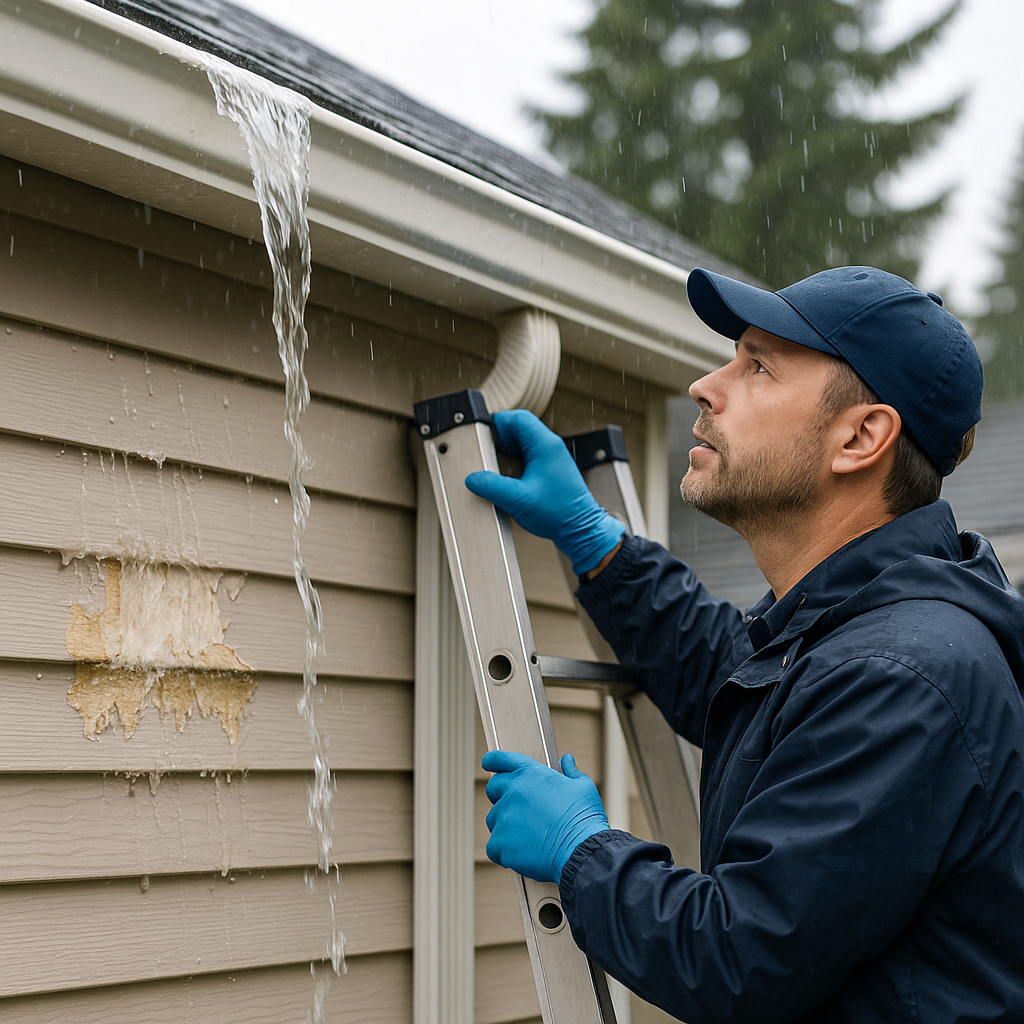
When a home’s gutters are installed incorrectly or not maintained properly, that constant moisture runs down the siding instead of being carried away. Over time, that water leads to bubbling, cracking, and eventually peeling paint. It is one of those problems people notice too late, usually when the damage is already spreading.

This is where a closer look at gutter installation, slope, alignment, and long-term protection becomes important. You cannot fight a climate like Oregon’s with guesswork. You need gutters that move water the right way every single time it rains.

The Installation Mistakes That Send Water Down Your Siding

When people hear “bad gutters,” they usually imagine leaves or clogs. But the real trouble often starts on day one, when the gutters are installed without the right slope, placement, or support. A few small mistakes might not seem like much, but they can change the way water flows off the roof.

Common Installation Errors

  • Incorrect pitch: Gutters look level to the eye, but they are supposed to drop about a quarter inch every 10 feet. Without that pitch, water just sits there or spills over.
  • Loose or widely spaced hangers: This causes sagging, which slowly pulls the gutter away from the fascia.
  • Too few downspouts: Gutters fill faster than they can drain, forcing water to pour over the edges.
  • Runs that tilt toward the house: This is one of the worst scenarios because the overflow goes straight onto the siding.

These issues turn a home into a waterfall during storms. Instead of collecting water and directing it safely away, the system forces it down the face of the house. That is exactly how paint damage begins, and it is why proper gutter installation matters so much in wet climates like ours.

If these problems are already showing, it may be time for gutter repair or even full gutter replacement, depending on how severe the warping or misalignment is.

How Overflowing Gutters Lead to Bubbling, Cracking, and Peeling Paint

Overflowing gutters push water down the siding, and the paint reacts pretty quickly. Small bubbles show up first, almost like the surface is struggling to release trapped moisture. As the wood stays damp, the paint’s grip weakens. It starts cracking in thin lines, then peeling in bigger pieces as the wall keeps absorbing more water after every storm.

You can repaint the area as many times as you want, but if the underlying moisture problem persists, the new paint will eventually fail, too. Water always finds the same path down the wall. Oregon’s long wet spells make it even harder because the wood never fully dries between storms.

Sometimes the damage spreads underneath window trim or near doors, especially if gutters overflow from the upper roofline. These areas take longer to dry and can become soft or discolored over time.

Continuous Moisture, Mold Growth, and Structural Deterioration

Paint failure is not the only thing happening. Behind those peeling layers, the wood starts to absorb more moisture. Once the siding or trim swells, mold usually follows. Mold only needs one thing to start growing: moisture, and overflowing gutters create the perfect environment.

The danger is not only the mold itself but what it means: the wood stays wet for days at a time. That leads to rot, softness, and eventually full deterioration of the fascia or sheathing. Wet walls and trim also attract insects, which see softened wood as an easy entry point.

Water damage does not stay small for long. That is why homeowners who notice early paint problems should also check their gutters. Fixing the moisture source matters more than touching up the surface.

Why Seamless Aluminum Gutters Offer Better Protection in Oregon

Once you understand how gutter failures cause paint and siding problems, the next question becomes obvious: What kind of gutter system holds up in this environment? Many Oregon homes now use seamless gutters, and for good reason.

These gutters are made from a single continuous piece of metal, usually aluminum, and shaped on-site to match the exact length of each roofline. Fewer seams mean fewer places for water, rust, or leaks to get in. Aluminum doesn’t rust, which is important because gutters are exposed to rain for months at a time every year.

Another big advantage is the ability to maintain a consistent pitch. Since seamless gutters fit the home precisely, installers can control the slope from end to end without awkward joints or adjustments. When done correctly, water flows smoothly toward the downspouts rather than pooling or spilling out of the gutter.

If a system is too damaged to fix, upgrading to these stronger, custom-fitted options through gutter replacement is often a better long-term choice.

When Installation Isn’t Enough: The Role of Maintenance and Repair

Even the best gutter system needs basic care. Oregon trees shed needles, leaves, and debris year-round. When that buildup clogs a downspout, the gutter behaves as if it were misaligned, even if the installation was perfect.

Sometimes, homeowners think the siding is failing when the real problem is a section of gutter that has sagged under debris or ice. Regular rain gutter repair and cleaning prevent those issues from turning into bigger problems. It keeps the water flowing in the direction it is supposed to go, instead of spilling down the walls.

This is where professional installers make a difference. A trained team can see whether the overflow is caused by pitch issues, hanger spacing, clogged outlets, or older materials that simply cannot hold up anymore. Fixing the right problem saves time, paint, and repairs down the line.

Protect Your Home From Moisture Damage With a Professional Gutter System

Peeling paint might look like a simple cosmetic issue, but it almost always leads back to water. In Oregon’s climate, that water usually comes from gutters that are overflowing, sagging, or installed without the right slope. When moisture repeatedly hits the same parts of your siding or trim, the damage builds faster than people expect.

If you want help protecting your home from long-term water damage, we can inspect your current system and install durable, seamless aluminum gutters. We also handle gutter repair and replacement when needed.

Contact us at (971) 777-9899 to schedule your evaluation, or get a free estimate here with Gutter Empire LLC.


Key Takeaways (with citation)

  • Improper gutter installation—especially incorrect slope, poor placement, and loose hangers—is one of the main reasons Oregon homes develop peeling paint and moisture damage along exterior walls. Properly installed gutters should be pitched slightly toward downspouts so water never sits or spills over the edge.[1]
  • Overflowing gutters send a steady stream of water down siding, which leads to bubbling, cracking, and peeling paint as moisture gets trapped in the wood beneath. Once the substrate is saturated, even fresh coats of paint will eventually fail again if the drainage issue isn’t fixed at the source.
  • Chronic overflow doesn’t just ruin paint—it also encourages mold growth, wood rot, and insect activity in fascia boards, trim, and sheathing. Over time, this can turn a simple cosmetic issue into structural deterioration that requires carpentry and extensive repainting.
  • Seamless aluminum gutters offer stronger long-term protection in Oregon’s wet climate because they are custom-formed on site, have fewer leak-prone seams, and won’t rust under months of rain exposure. Keeping a consistent pitch along each run helps ensure water flows toward downspouts instead of pooling.[1]
  • Even a well-installed gutter system needs regular cleaning and occasional rain gutter repair to keep debris from causing sagging, clogs, and overflow that can damage siding and paint. Professional inspection helps pinpoint whether problems stem from installation errors, worn materials, or simple maintenance issues.

Citation

[1] The Home Depot. How to Install and Replace Rain Gutters. https://www.homedepot.com/c/ah/how-to-install-and-replace-rain-gutters/9ba683603be9fa5395fab9019cce4fcd